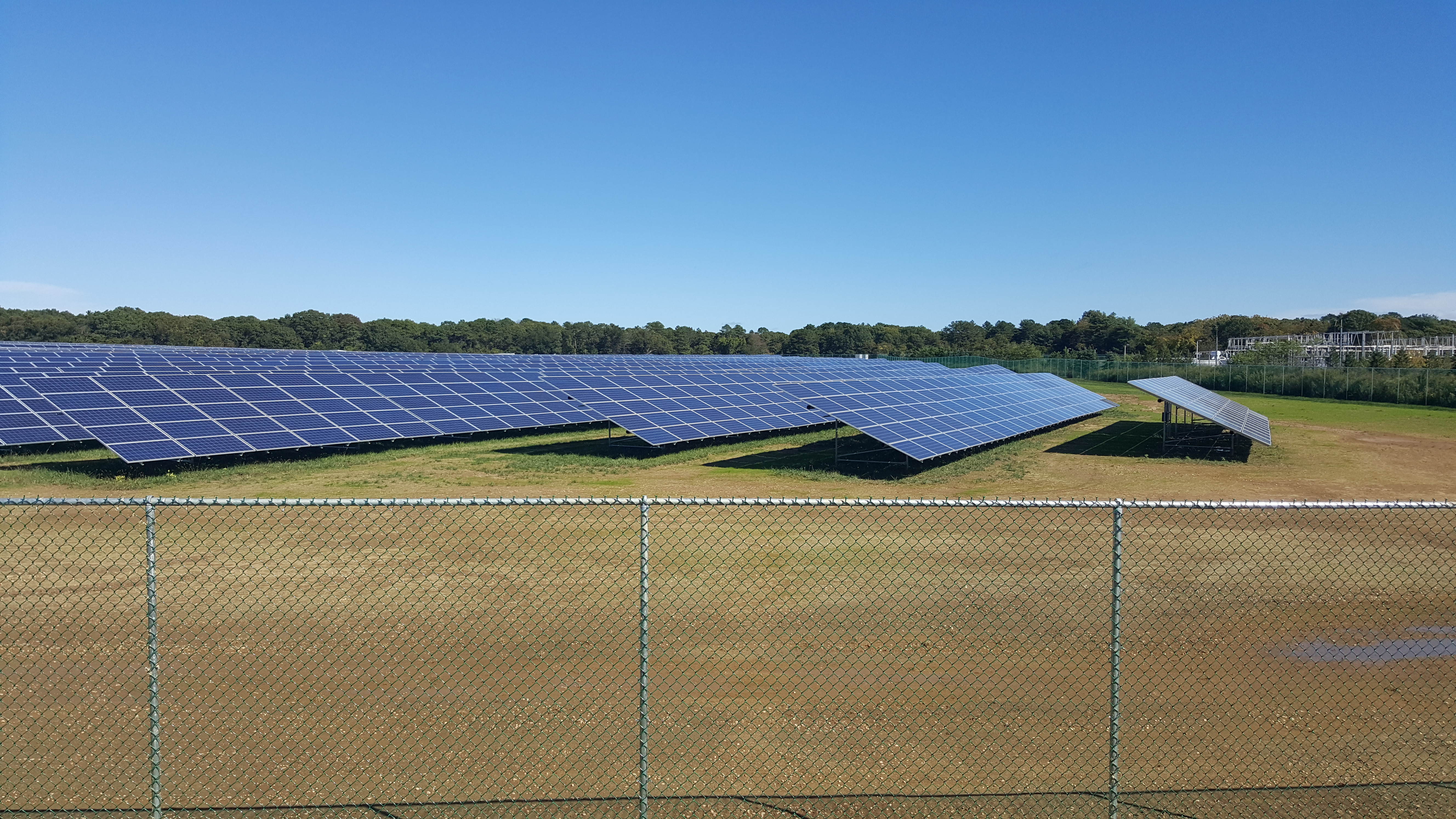
Why NYREER Specifies USA & German Solar Hardware Over Cheap Commodity Imports
When comparing two solar or battery proposals, it is tempting to treat all 400W+ solar panels and 10 kW+ inverters as interchangeable commodities. On a spreadsheet, a low-bid import system looks 12% cheaper on Day 1.
In the field—after five Upstate New York, Vermont, or New Jersey winters—that "12% savings" routinely turns into cracked backsheets, micro-cracked cells from heavy wet snow loads, inverter ground faults, and orphaned warranties. Here is why NYREER enforces a strict USA and German hardware standard.
1. Mechanical Frame Rigidity Under Northeast Snow & Ice Loads
When 3 feet of wet Northeast snow freezes and slides down an array, inferior thin-walled aluminum module frames bow inward—creating invisible cell micro-cracks ("snail trails") that permanently slash output by 20%–35%. USA and German-engineered modules feature reinforced frame cross-sections and heavy-gauge tempered glass tested to 5,400 Pa to 7,000+ Pa snow loads.
2. Linear Degradation Curves Over 25–30 Years
- Cheap Commodity Modules: Often lose 3% in Year 1 (Light-Induced Degradation) and 0.7%–0.9% every year thereafter—dropping below 78% output by Year 20.
- USA & German Tier-1 Modules: Engineered for <0.35% to 0.40% annual degradation, delivering 12%–18% more cumulative MWh over a 25-year service life.
3. Domestic Content Bonus Credits & FEOC Compliance
For commercial, municipal, and industrial buyers under the Inflation Reduction Act (IRA), specifying USA-manufactured and FEOC-compliant hardware protects your eligibility for the 10% Domestic Content Bonus Credit and satisfies strict municipal and defense supply-chain rules.
Explore our full Hardware Standards Matrix →.
Ready to Engineer Resilient Power or High-Throughput EV Charging?
Speak directly with NYREER’s senior electrical engineers and master technicians serving NY, NJ, VT, and MA.